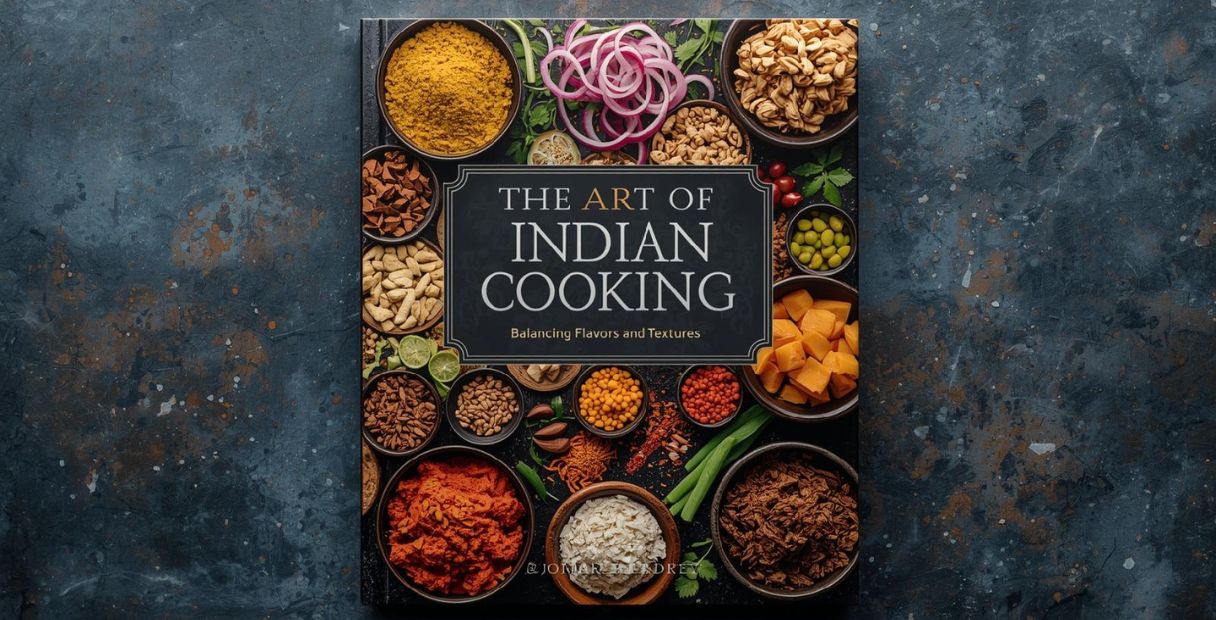
Indian cuisine is renowned for its complex and vibrant flavors, rich textures, and the incredible balance between them. It’s an art form passed down through generations, where every ingredient plays a vital role in creating the perfect dish. At Grandma’s Indian Kitchen, we delve deep into this art, exploring how the balance of flavors and textures is the heart and soul of Indian cooking.
Understanding the Basics of Indian Flavors
One of the most unique aspects of Indian food is the harmony between five primary tastes: sweet, sour, salty, bitter, and umami. Each region in India brings its own unique combination of these tastes, but the core philosophy remains the same — balance.
-
Sweet: Traditionally, sweet flavors are derived from ingredients like sugar, jaggery, coconut, and fruits. They are often used in curries, chutneys, and desserts. The sweetness balances out the heat and spiciness, making the food more palatable and giving it depth.
-
Sour: Sourness comes from ingredients such as tamarind, yogurt, citrus, and raw mango. It adds a tangy dimension to the food, cutting through the richness of oils and fats, and providing a refreshing contrast to the spices.
-
Salty: Salt is a fundamental ingredient in Indian cuisine, enhancing the natural flavors of vegetables, meats, and spices. It plays a critical role in creating balance, making the flavors pop without overwhelming the dish.
-
Bitter: The bitterness in Indian food is often derived from ingredients like bitter gourd, fenugreek, and certain herbs. Bitter flavors are essential for digestion and are used sparingly to provide contrast and complexity.
-
Umami: The savory taste is present in ingredients such as tomatoes, mushrooms, and fermented foods like soy sauce or aged cheese. Indian cuisine brings out this flavor with ingredients like asafoetida (hing) or the famous “tadka” (tempering) of spices in hot oil, which adds depth to the food.
Texture in Indian Cooking: The Unsung Hero
While flavor is the obvious star of Indian cuisine, texture is just as important in creating a memorable meal. The varying textures in Indian dishes — from crunchy to creamy to soft — play a vital role in elevating the dining experience.
-
Crunchy: Many Indian snacks and appetizers have a delightful crunch, which contrasts beautifully with softer textures. Think of crispy pakoras, samosas, or the crispy layer of fried onions on a biryani. These crunchy elements add texture and excitement to the dish.
-
Creamy: Indian curries, especially those from North India, often have a velvety texture, achieved through the use of yogurt, cream, coconut milk, or ground nuts. This creaminess not only balances the bold flavors but also helps mellow out the heat from spicy dishes.
-
Soft and Fluffy: Some of India’s most beloved foods, like idlis, dosas, and chapatis, showcase soft, pillowy textures. These soft elements provide a perfect contrast to the crunchiness of fried dishes or the richness of thick curries.
-
Chewy: Textures such as chewy rice or dough-based dishes like parathas and naan offer a satisfying bite. The chewy quality adds substance to meals, particularly when paired with rich gravies and sauces.
The Perfect Combination: How Indian Dishes Balance Flavors and Textures
One of the greatest secrets of Indian cooking lies in the masterful balance of these contrasting elements. At Grandma’s Indian Kitchen, we celebrate this harmony in every recipe. Here’s how different dishes bring together the perfect balance of flavors and textures:
-
Biryani: The rich, flavorful biryani is a perfect example of balance in both flavor and texture. The softness of the rice contrasts with the crunch of fried onions and nuts, while the spices combine the heat of chili, the sweetness of dried fruits, and the earthiness of saffron. The yogurt in the marinade adds a creamy element, making every bite complex and delightful.
-
Butter Chicken: A creamy, rich gravy made with tomatoes, cream, and butter forms the base for this beloved dish. The sweetness from the tomatoes balances the savory spices, while the tender chicken provides the perfect texture to complement the smooth, velvety sauce.
-
Dosas with Sambar: The crispiness of a dosa (thin rice crepe) contrasts with the soft texture of the sambar (a spiced lentil stew), creating a delightful combination. The tanginess of the tamarind in the sambar pairs perfectly with the subtle flavor of the dosa, showcasing the balance of flavors and textures.
-
Chole Bhature: A famous North Indian dish that brings together the chewy, deep-fried bhature (bread) with the spicy, soft chole (chickpea curry). The slight crunchiness of the bhature contrasts beautifully with the creamy, spicy chole, making this dish a texture-packed delight.
Why Balance Matters: Health Benefits
The balance of flavors in Indian cuisine does more than just delight your taste buds — it also offers numerous health benefits. The combination of sour, bitter, and umami ingredients aids digestion, while the balance between spices and fats helps maintain proper metabolism. Spices like turmeric, ginger, and garlic are not only flavorful but also have anti-inflammatory and antioxidant properties, making Indian cuisine not only delicious but nourishing.
Cooking Tips for Perfecting Balance at Home
To bring this art into your own kitchen, here are a few tips to balance flavors and textures in your cooking:
-
Start with Fresh Ingredients: Fresh herbs, vegetables, and spices will provide a depth of flavor that dried or processed ingredients simply cannot match.
-
Adjust to Taste: Always taste your food as you cook. Indian cuisine encourages adjusting flavors to suit your palate, whether adding more salt, sugar, or acidity to achieve the perfect balance.
-
Don’t Overcook Vegetables: Many Indian dishes use vegetables for both flavor and texture. Ensure they are cooked to the right level — tender but not mushy — to maintain their structure.
-
Master Tadka (Tempering): The process of tempering spices in hot oil releases their essential oils and intensifies their flavors. It’s a key technique for achieving a perfect balance of spices in Indian cooking.
-
Pair with Rice or Bread: Complement your dishes with the right base, like soft, fluffy rice or freshly made roti or naan, to balance the richness of curries and gravies.
Conclusion
The beauty of Indian cooking lies in its ability to balance the five tastes and various textures into a harmonious and delightful experience. At Grandma’s Indian Kitchen, we take pride in preserving and sharing these authentic recipes that bring together the right balance of flavors and textures, ensuring every dish is both delicious and satisfying. Whether you’re a seasoned cook or just beginning your culinary journey, the art of balancing flavors and textures is essential to creating Indian meals that will transport you to the heart of India.